Japan Travel Advice From a Friend: Plan the Trip First
Published:
The clearest advice I recently received from a friend who has visited Japan several times was simple: plan the trip first.
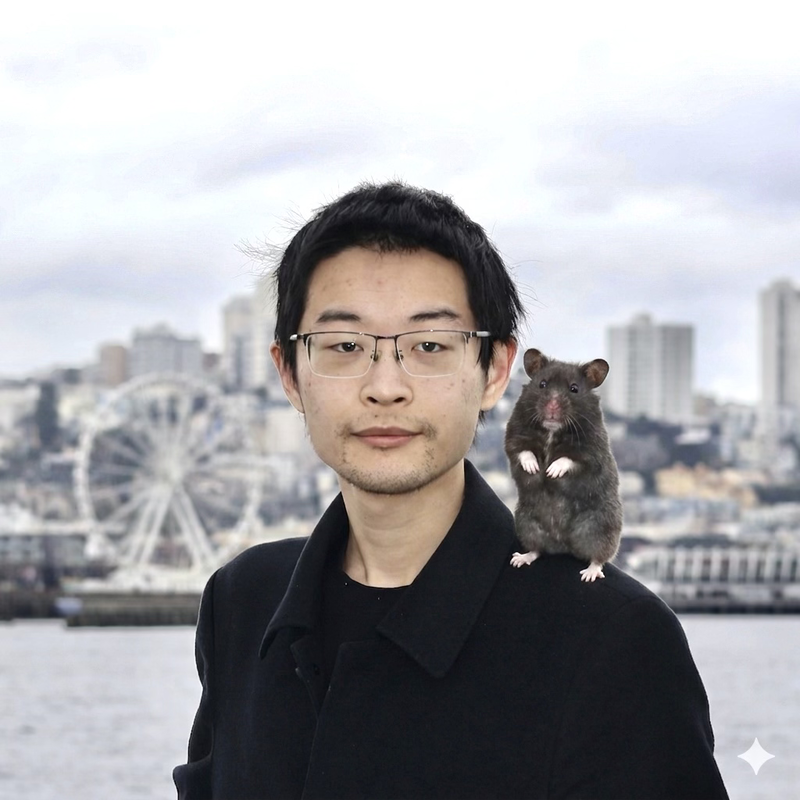
Author: Koutian Wu; GitHub: ktwu01
That does not mean scheduling every minute. It means recognizing that restaurants, attractions, hotels, and transit each have their own rules. Spontaneity is still possible, but arriving without checking anything can mean discovering at mealtime that the restaurant you wanted requires a reservation, or circling a small town without finding somewhere that can seat you immediately.
My friend’s approach is to choose the cities and attractions first, look at nearby food options next, and set aside one session to handle anything that needs a reservation or payment. This does more than save money. Booking some attractions online can be cheaper and avoids ticket queues. With restaurants arranged in advance, the question of where to eat does not interrupt the day.
I had assumed it would be easy enough to walk into a restaurant while traveling. My friend pointed out that popular places in Japan may not take reservations, yet still have long waits, often outside. Soup curry in Hokkaido is one example. If you want to try it, treat the wait as part of the itinerary rather than finding out on the day that you will be standing outside for two hours in winter.
Language is not an absolute barrier to independent travel. Translation apps, maps, and a few gestures can handle most situations. Photos and translated text can help with ordering, and showing a driver a destination on a map is usually enough for a taxi. My friend said that Japanese is rarely the main issue. More often, the real challenge is knowing where you are going, which train to take, and where the emergency exit is in your hotel.
Tokyo’s rail map does not need to be intimidating either. A first visit will probably include a few imperfect transfers, but the system becomes manageable once you know how to use a map app. Large stations and rush-hour crowds deserve extra attention. Check the exit number before leaving a station, confirm the direction of pedestrian traffic before joining it, and do not search for the route while walking. Around trains, crossings, and photo spots, safety should come before a picture.
Japan has far more to explore than I had expected. From Tokyo, it is possible to visit Yokohama, Kamakura, Hakone, Mount Fuji, and Nikko. From Osaka, Kyoto, Uji, Kobe, Nara, Himeji, and cities farther west are within reach. Hokkaido works well as a longer trip around one island, with destinations in both the north and east. The south offers volcanoes, coastlines, and cities with a different character. There is no need to fit all of this into a first trip. Choosing one region and exploring it well will be more comfortable.
If anime, exhibitions, or pop-up stores matter to your trip, plan earlier still. Many Japanese events are not based on who clicks fastest. You register and then enter a lottery. Limited goods, themed cafés, and performances often work this way. Some venues and events exist only for a short period, and some online sales begin later with different bonuses from the in-person event. For this kind of trip, checking event dates can matter even more than choosing a hotel.
My friend also suggested looking beyond proximity to attractions when choosing accommodation. A hotel’s ability to hold luggage or packages, the ease of communicating with the front desk, and its distance from a station can all change the experience. A transit-friendly location saves effort when you arrive late, leave early, or need to adjust plans. In less central areas at night, do not assume a car will always be available. Check the last train and the route back to the hotel in advance.
The safety advice was straightforward: identify the hotel’s emergency exit, note the flashlight by the bed, and follow hotel instructions in an earthquake. Most travel risks are not dramatic events. They are missed trains, getting lost, nighttime transport ending, or crossing a boundary for a photo. Leaving room in the route makes the trip calmer.
That conversation changed my expectations for a trip to Japan. It is not a place that cannot be visited on short notice, but it rewards preparation. Once restaurants, reservations, transit, and events are sorted out, the time there can be spent eating, walking, visiting hot springs, shopping, and seeing what you actually came to see.