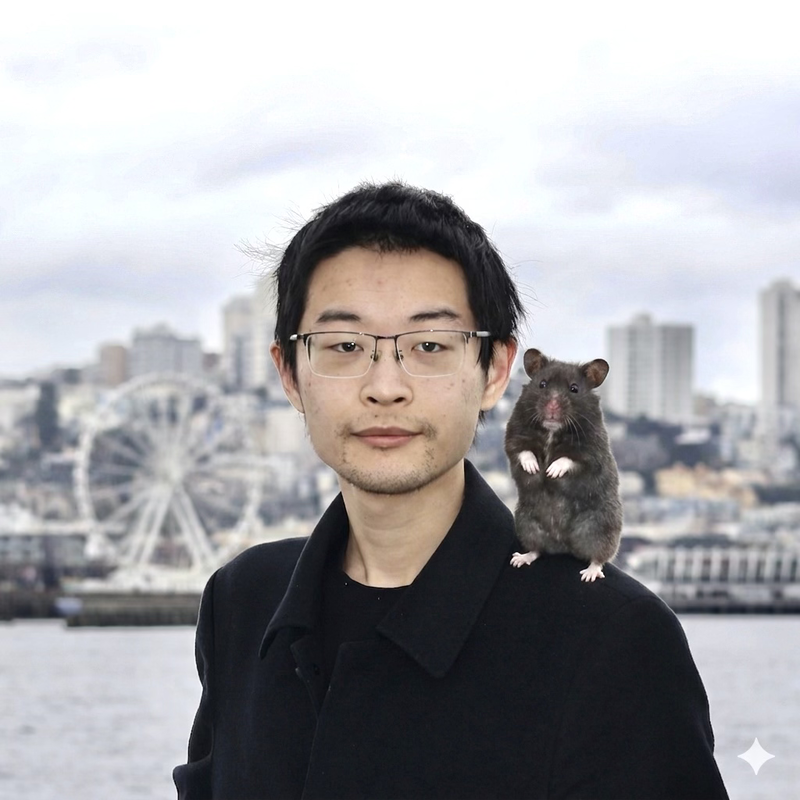
Anyone Who Controls His Own Fate Is a God: Five Frames From A Better Tomorrow
Published:
In June 2021 I watched John Woo’s A Better Tomorrow and saved five screenshots—every single one of them belongs to Chow Yun-fat’s Mark Gor.
Author: Koutian Wu; GitHub: ktwu01
There is no text in the Word document, only five frames from the second half of the movie. That alone says everything about how A Better Tomorrow works: the plot is a straightforward triad story about betrayal and brotherhood, while Chow Yun-fat turns a side character into one of the most memorable figures in Hong Kong cinema.
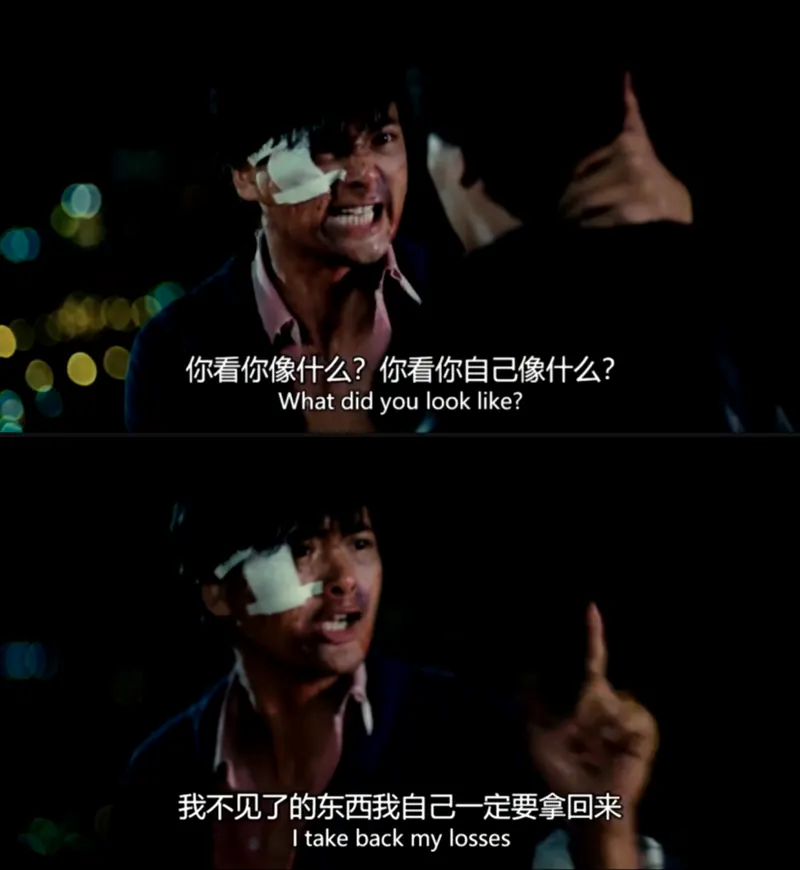
Taking back what was lost
By the time the parking-lot confrontation arrives, Mark is no longer the sharp-suited gangster lighting cigarettes with counterfeit bills. A botched revenge hit left him with a ruined leg, washing cars for the very boss who pushed him out. When Ho comes out of prison wanting a quiet life and looks at Mark in disbelief, Mark snaps back: “What did you look like?”
Then comes the line that every viewer remembers: “I take back my losses.” Mark does not ask anyone to hand his pride back to him, and he refuses to swallow humiliation just to get by.
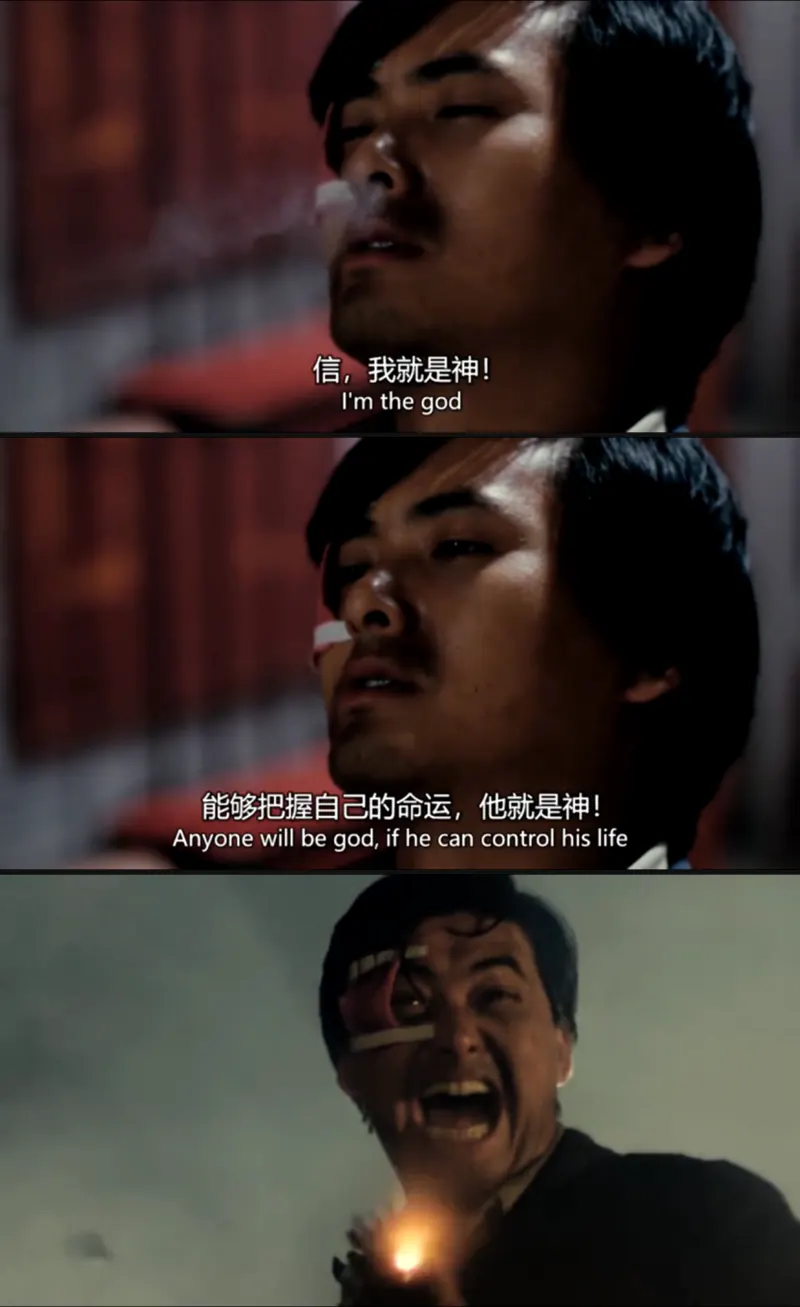
Controlling your own fate
The remaining three frames lead straight into the finale. Asked whether he believes in God, Mark exhales cigarette smoke and answers: “I’m the god. Anyone will be god, if he can control his life.”
Right beneath those two subtitle frames, the last image I saved has no dialogue at all—just Mark at the pier with a bandaged eye, shouting into the muzzle flash during the final shootout.
Five years later, those five frames still carry the exact voltage of 1980s Hong Kong cinema. John Woo never tries to be subtle here. Mark Gor is bruised, outnumbered, and limping, yet the movie makes you feel why he refuses to kneel—and why losing everything hurts far less to him than losing control of who he is.